


Fly-tipping has been a growing issue in Birmingham and many other areas across the UK. As a waste management company operating in Birmingham for over 30 years, we at ISL Waste Services have seen first-hand how fly-tipping can damage local communities, harm the environment, and pressure public resources. In this blog, we’ll explore the factors contributing to the rise in fly-tipping locally, based on our experience and broader industry trends, and discuss how we can all play a part in combating this issue.
What is Fly-Tipping?
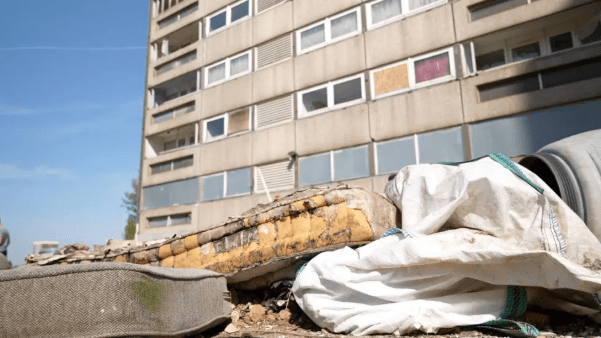
When we talk about fly-tipping, we are referring to the illegal disposal of waste, generally in public spaces or on private land. It can include anything from household rubbish to construction waste. While it can seem like a minor issue for some, fly-tipping can have a serious impact on both the environment and the economy. It clutters streets, damages natural habitats, and often leads to the spread of harmful waste materials into the environment.
The Root Causes of Rising Fly-Tipping
Fly-tipping doesn’t occur as an anomaly. It results from a range of factors, many of which are connected. Some of the key causes driving this growing problem in Birmingham and beyond are:
1. Financial Motivations and Cost Avoidance
One of the big reasons for the rise in fly-tipping is financial. The cost of legally disposing of waste, in particular, large items such as furniture, construction debris, or bulky household waste, can be expensive. For businesses and individuals trying to cut costs, illegal dumping offers a seemingly cheap alternative.
The rise of rogue waste companies only adds to the issue by offering lower rates than legitimate services. These companies often promise to dispose of the waste for a lower price than the market price, and instead of properly disposing of the waste, they will illegally dump it in public areas.
2. Lack of Waste Disposal Infrastructure or Access
Not everyone has easy access to legal waste disposal services. Individuals from lower-income areas or socio-economically disadvantaged backgrounds often find it more difficult to reach waste collection points, especially if they live in areas without convenient recycling centres or tips.
In addition, people may lack awareness of the waste disposal options available to them.
3. Ineffective Enforcement and Regulation
Despite the best efforts of local councils and waste management companies, the enforcement of anti-fly-tipping laws is often inconsistent. In some cases, penalties for fly-tipping may not be severe enough to deter offenders.
Limited funding for enforcement also means that waste disposal regulations are not always strictly enforced. Without the time, effort or necessary resources to catch perpetrators, the risk of being caught is minimal for those who choose to fly-tip.
4. Indifference Towards Consequences
For many individuals, fly-tipping is seen as an easy, risk-free way to dispose of waste. The perceived low risk of getting caught, combined with the convenience of avoiding disposal fees, can make it an attractive option for some.
Many people don’t fully appreciate the broader impact of fly-tipping. For instance, it’s not just about an eyesore on the street; properly disposed waste can leach chemicals into the soil and water, harming wildlife and polluting the environment. When the risk feels low, some individuals may not think twice about taking the easy route.
5. Community and Social Factors
Community dynamics play a key role in preventing or exacerbating fly-tipping. In areas where there is weak community pride or engagement, residents may not feel as compelled to take care of public spaces. High tenant turnover in rental properties can also contribute to a lack of ownership or responsibility over waste disposal. When people don’t have a personal stake in maintaining a clean environment, it can be easy for bad habits to develop.
The Impact of Fly-Tipping on Local Communities
The consequences of fly-tipping go far beyond simply making the streets look and smell unsightly. Waste can also attract pests, vermin, and possibly lead health risks, posing a threat to public safety.
In addition to these environmental concerns, fly-tipping can negatively impact local businesses. Areas that are regularly affected by fly-tipping often experience decreased foot traffic, which in turn affects local business. Not to mention, cleaning up fly-tipped waste is costly for councils and local authorities, meaning that valuable resources may be taken from other areas.
How ISL Waste Services is Addressing Fly-Tipping Locally
As a local business, ISL Waste Services is committed to providing responsible, reliable waste disposal services that help prevent fly-tipping. We offer a range of solutions, from skip hire to scheduled collections, ensuring that businesses and residents have access to convenient and
What Can You Do to Help?
While tackling fly-tipping requires a concerted effort from both the public and private sectors, there are simple steps you can take to contribute to the solution:
- Use Reputable Waste Disposal Services: Ensure that you hire licensed waste carriers and ask for a waste transfer note as proof of legal disposal.
- Report Fly-Tipping: If you notice fly-tipped waste in your area, report it to your local council for removal.
- Take Advantage of Services Available: The majority of councils will offer legal waste disposal options.
Conclusion
The increase in fly-tipping affects us all, from our homes to our businesses, and it’s clear that tackling this issue requires collective effort. By working together, we can reduce its impact on Birmingham. At ISL Waste Services, we’re committed to providing sustainable and effective waste management solutions to encourage everyone to dispose of their waste legally and responsibly. Let’s work together to make Birmingham a cleaner, safer place.


