


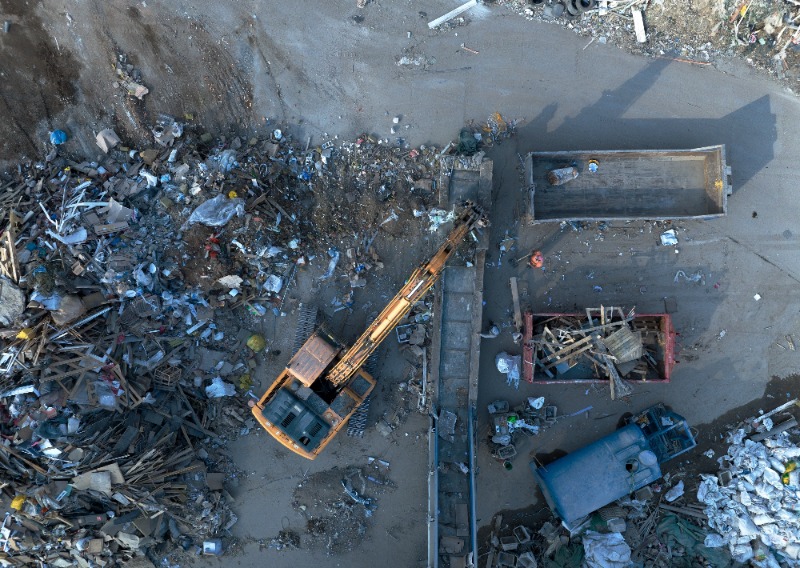
The wood crisis is here, and it’s hitting businesses hard. As we move further into 2025, a significant shift in how wood waste is managed in the UK is causing prices to soar and businesses to rethink how they handle disposal. With new legislation and the rise of technology reshaping the landscape, there are immediate consequences for commercial clients, contractors, and trade waste customers.
In this blog, we’ll explore how the wood crisis is impacting your bottom line and what you can do to manage the costs.
What is the Wood Crisis and How Is It Happening?
The “Simpler Recycling” legislation took effect in March 2025 and mandates businesses to separate recyclable wood from general waste. This move is part of the UK’s broader efforts to improve recycling rates and reduce landfill waste. The legislation is especially important for industries like construction, where wood waste is often a significant by-product. This now means that businesses must segregate wood waste into its own stream, something that many may find challenging in terms of both logistics and cost.
How Do the Rising Costs of Wood Waste Disposal Affect Businesses?
For years, businesses in the Birmingham area have benefited from segregating their waste into different skips, such as wood, metals, and general waste. This is a practice that has allowed for better cost management and more efficient recycling. However, as the costs of wood waste disposal continue to rise, this segregation strategy is becoming less financially viable.
With the new legislation and the costs of waste collection increasing, businesses may face higher fees for segregated wood waste. Unfortunately, the increase in pricing may soon eliminate the cost savings that segregation previously offered. What was once an efficient and cost-effective approach may soon be priced similarly to general waste, undermining the advantages of segregation.

Why are Wood Waste Disposal Costs Increasing?
There are several factors driving the rise in wood waste disposal costs. First, the stricter regulations under the “Simpler Recycling” legislation have made it more expensive for waste management companies to process wood.
Secondly, the demand for recycled wood is declining and transport costs are climbing, which further contributes to the overall price increase. As businesses adapt to these new rules, they’ll need to factor in higher disposal costs. This makes efficient waste management more critical than ever.
What Can You Do to Minimise the Impact?
1. Segregate waste where possible:
Despite the rising costs, try to continue to separate wood waste. The proper segregation can prevent mixed waste penalties and maintain recycling rates, ultimately saving money in the long run.
2. Embrace recycling initiatives:
Support recycling initiatives that focus on wood reuse and recycling. This can help you reduce disposal costs while benefitting the community.
3. Explore technology:
You may want to consider AI-driven waste management systems to optimise sorting and collection. By partnering with the team here at ISL for waste audits, we can help you identify cost-saving opportunities and improve overall waste management efficiency.
How ISL Can Help
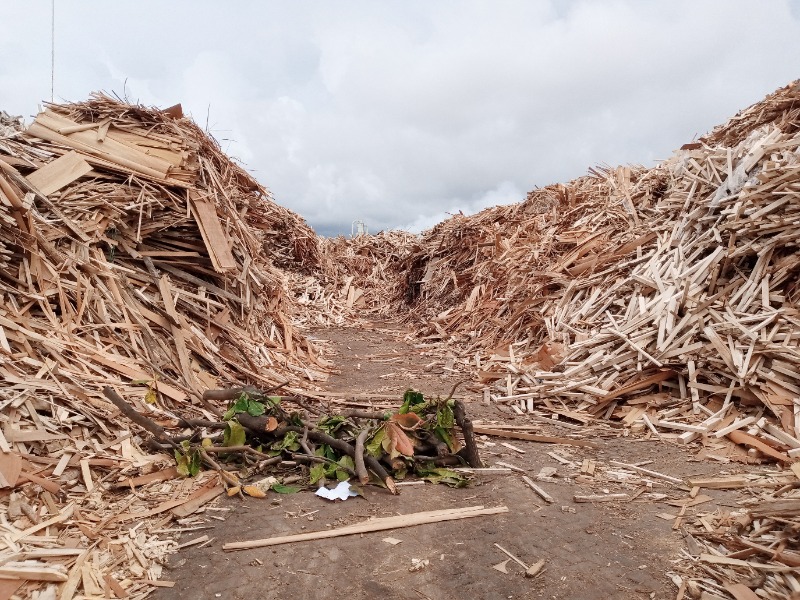
Here at ISL, we provide reliable skip hire in Birmingham and Solihull to help businesses navigate the rising wood waste disposal costs. With tailored solutions to suit your specific needs, our services are designed to help you efficiently manage wood waste without the burden of skyrocketing costs.
If you’re concerned about rising disposal costs or need assistance with waste segregation, get in touch with our team today.


